
Most businesses I work with don’t have a lead problem.
They have a response problem.
Leads are coming in. Forms are being filled out. Messages are being sent. Calls are being missed.
And then everything slows down.
Someone checks the inbox an hour later. A generic response gets sent. Maybe there’s one follow-up, maybe not. By then, the lead has already moved on.
I’ve seen this across multiple industries including, chiropractors, auto shops, home services, even e-commerce brands. The issue isn’t demand. It’s what happens in the first few minutes after a lead comes in.
That’s where most of the revenue is won or lost.
Why Incoming Leads Matter More Than Traffic
When someone reaches out, they’re not browsing. They’re not casually interested. They’re taking action. In other words, this is a warm lead.
That moment has intent, timing, and a real problem behind it.
But most businesses treat incoming leads like a task to get to later instead of an opportunity that needs immediate attention.
The reality is simple:
- The faster you respond, the higher your chances of converting
- The clearer your message, the easier it is to move someone forward
- The more consistent your follow-up, the more revenue you recover
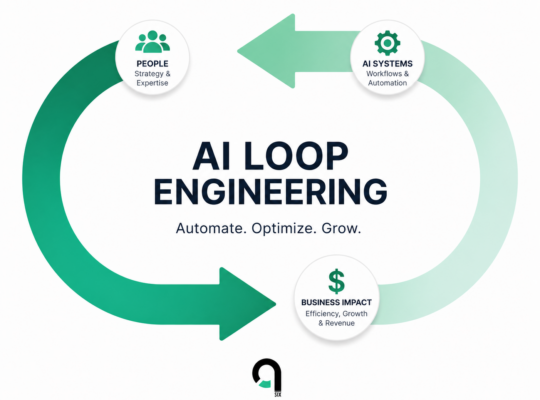
I don’t use AI to replace people. I use it to remove the delay and inconsistency that cost businesses money.
The Real Problem: Slow and Inconsistent Responses
When I audit businesses, I usually find the same issues:
- Leads sit unanswered for too long
- Responses are vague, generic, or plain off-brand
- There’s no clear next step in the message
- Follow-up is inconsistent or nonexistent
Most teams aren’t trained on what to say, and even if they are, they don’t execute consistently.
That’s where simple AI prompts become useful… not as a replacement for communication, but as a way to standardize and improve it.
How I Use AI Prompts to Handle Incoming Leads
I don’t overcomplicate this. I focus on a few key moments in the lead process and make sure each one is handled well.
NOTE – what happens before the first response is the most important. This is where training, modeling, security / guard-rails, and knowledge building happens.
1. The First Response
This is the most important message.
If the first response is slow or weak, everything that comes after is harder.
Here’s the prompt I use to generate a strong first response:
“Write a fast, friendly response to a new lead who is interested in [service]. Acknowledge their problem, keep it conversational, and suggest a clear next step.”
This ensures the message:
- feels human
- addresses the actual issue
- moves the conversation forward
Most businesses respond, but they don’t direct. That’s the difference.
2. Personalizing the Message
Even a good response can fall flat if it feels generic.
To improve this, I’ll use:
“Rewrite this response to sound more specific to someone dealing with [problem], while keeping it concise and action-oriented.”
This helps tailor the message without rewriting everything from scratch.
3. Moving the Lead Toward Action
A lot of responses stall because they don’t ask for anything.
They answer the question, but they don’t guide the next step.
Here’s the prompt I use:
“Create a response that guides the lead toward booking an appointment or taking the next step, including a sense of urgency and a clear call to action.”
This is where conversion actually happens.
4. Following Up When There’s No Response
Most revenue is lost here.
Leads don’t always respond right away. That doesn’t mean they’re not interested.
I use this prompt to keep the conversation alive:
“Write a follow-up message for a lead who hasn’t responded in 24 hours. Keep it helpful, not pushy, and remind them of the value of solving [problem].”
A simple follow-up can bring back opportunities that would otherwise be lost.
5. Handling “Not Ready Yet”
This is one of the most common responses, and it’s often mishandled.
Instead of letting the conversation die, I use:
“Generate a response to a lead who says they’re not ready yet or just exploring options. Keep the tone open, helpful, and focused on staying in touch.”
The goal isn’t to force a decision. It’s to keep the door open.
How I Implement This in Real Businesses
I don’t build massive systems upfront.
I start with what’s already happening:
- What types of leads are coming in
- What services are being requested
- What responses are currently being sent
Then I build a small set of prompts around those scenarios and refine them over time.
This creates:
- faster response times
- more consistent communication
- better conversion rates
And most importantly, it removes the reliance on any one person to “handle leads perfectly.”
Where This Fits Into a Larger System
This is not about AI for the sake of AI.
It’s about fixing a specific gap in the business:
Leads are coming in, but they’re not being converted efficiently.
Once the response and follow-up process is solid, everything else becomes easier:
- ads perform better
- content generates more value
- sales conversations improve
If you fix how you handle incoming leads, you don’t need nearly as much traffic to grow.
Want More AI Prompts for Sales?
If you’re building out your full sales process beyond just lead response, I’ve broken down additional prompts here:
Final Take
You don’t need more leads… well, maybe you do? 🙂
You need to respond faster, communicate more clearly, and follow up more consistently.
That’s where most of the missed revenue is.
AI doesn’t replace your team. It helps your team operate at a higher level without adding more work.
Work With Me
If you want to improve how your business handles incoming leads and converts them into paying customers, I can help you build and implement a system that does exactly that.
AI Consulting
We help local and retail businesses turn more leads into revenue using fast-response systems.